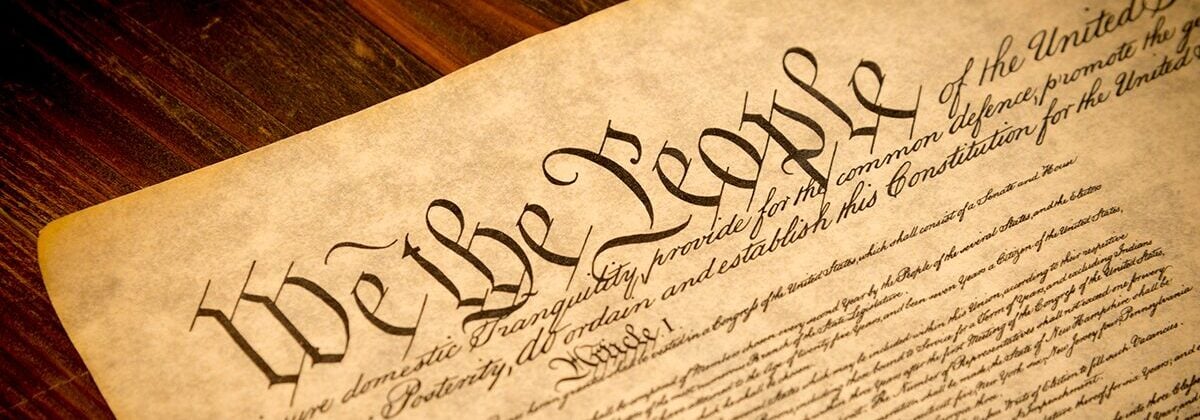
The Declaration of Independence uses the noun “Men” and not “Women.” Today’s cultural drift has encouraged us to take issue with the use of the word “Men” as it is not inclusive, they say. I would argue that, indeed, the word “Men,” as used in our founding documents, includes all humans today.
Historical Meaning of ‘Men’
Walter Isaacson, in his book “The Greatest Sentence Ever Written” (The Greatest Sentence Ever Written (2025), Simon & Schuster), explains that “Men” in the Declaration truly referred to males, not women, enslaved people, Native Americans, or even some non-property owners (Isaacson, page 12).
First, we must understand the times in which our country was founded. That was the way it was then. By way of example, today, some states allow abortion of humans. This would have been unconscionable in the 18th century, but is practiced in some form in 37 states today. Understand the times, then understand the culture of Americans learning how to be free and independent people, unshackled themselves from British rule, and eventually freed minorities at home.
Legal and Social Expansion of Rights
Consider:
-The Slave (or Reconstruction) Amendments (13-15) were ratified 1865–1870.
-The Dawes Act of 1887 paved the way for Native Americans to become citizens and gave them land allotments.
-Women gained the right to vote (19th Amendment ratified in 1920).
Consequently, the historical use of “Man” or “Men” to cover all persons became inclusive. Isaacson points out this history. In Old English, the word “wer” referred to a man, “wif” to a woman, and “mann” to all humans.
Interpreting ‘All’ in the Declaration
Our Founders used the words “All Men…” My professor said it this way: “What does ‘all’ mean? All means all y’all, and that’s all it means!” In other words, it means all persons in all stages of life.
Americans must now read the Declaration of Independence as though it includes all of us, for “We (you and I) hold these truths to be self-evident, that ALL men (all people in all stages of life) are created equal, that they are endowed by their Creator with certain unalienable Rights, that among these are Life, Liberty and the pursuit of Happiness..”
Closing Reflection
How would reading the Declaration as including every person, at every stage of life, change our view of the nation?
This is Common Sense Civics and Citizenship. 🇺🇸